
Guide
9Wicket Com Overview: Account, Access & Security
9Wicket Com: A Complete Informational Guide to Account Access, Features, and Online Safety Introduction When searching for information about 9Wicket […]
Published 7 July 2026 Updated 22 July 2026
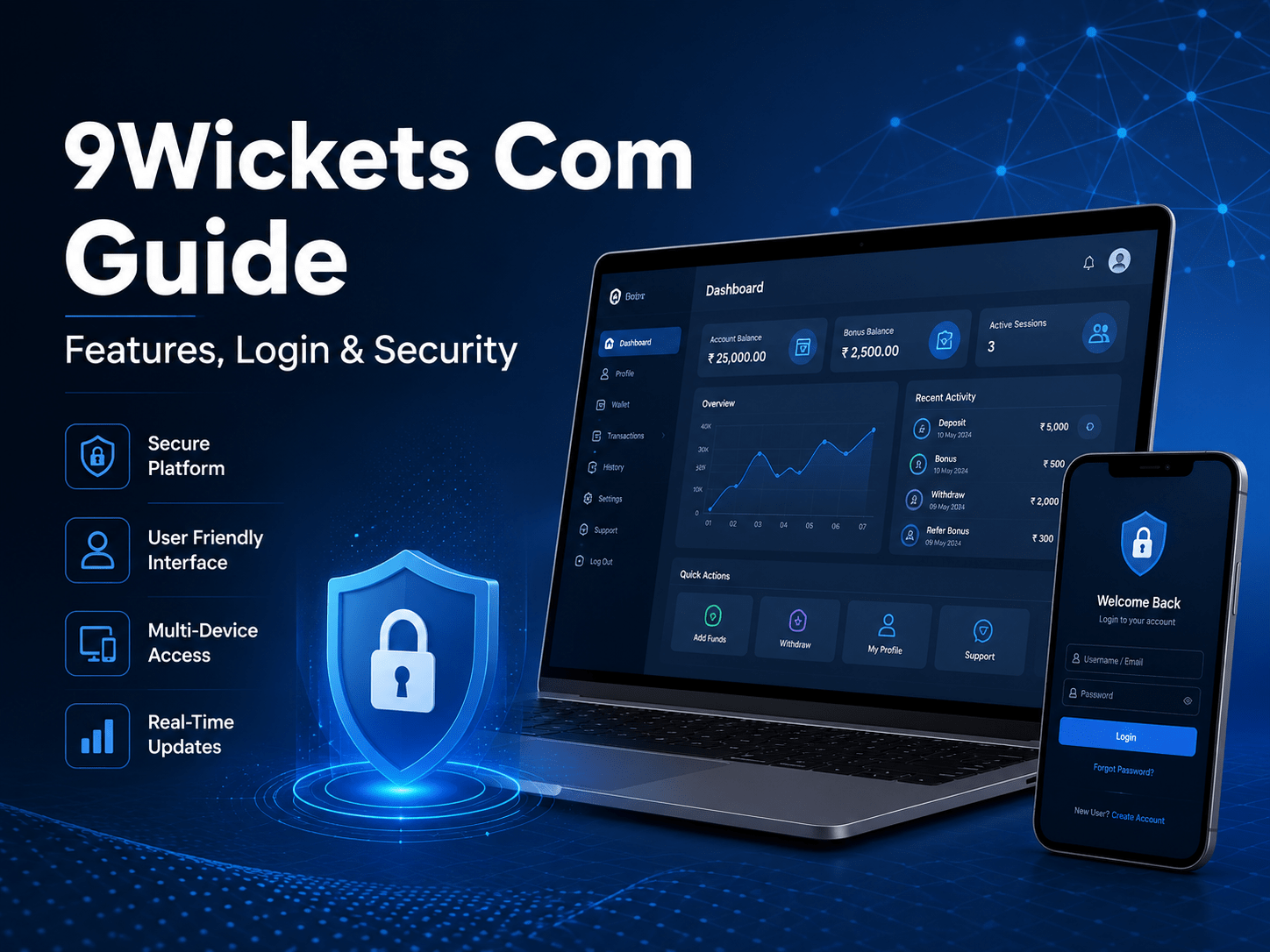
9Wicket Com: A Complete Informational Guide to Account Access, Features, and Online Safety
Introduction
When searching for information about 9Wicket Com, many users want reliable answers about creating an account, signing in, managing profile settings, and protecting personal information. Online search results can sometimes be incomplete or outdated, making it useful to have a single guide that explains the basics in a clear and organized way.
This article provides an overview of common features associated with online account platforms, including registration, login, password recovery, profile management, mobile compatibility, and security practices. The purpose is to help readers understand how these systems generally work so they can use online services more confidently and responsibly.
Understanding 9Wickets Com
9Wicket Com is a website that users commonly look up to learn about account access and platform functionality. Before using any online service, it is a good idea to become familiar with its policies, requirements, and available features.
Most modern online platforms are designed to provide users with:
- Personal account registration
- Secure authentication
- Profile management
- Mobile-friendly browsing
- Customer assistance
- Privacy controls
- Password recovery tools
Understanding these basic functions helps users navigate the platform more efficiently.
Why Users Search for 9Wicket Com
People may visit the platform for different reasons. Some want to create a new account, while others are searching for login instructions, technical support, or security information.
Common topics include:
- Creating a new account
- Accessing an existing profile
- Resetting forgotten passwords
- Updating account details
- Learning about privacy settings
- Using the platform on mobile devices
Having accurate information before registering can help avoid unnecessary confusion later.
Creating an Account
Most online services follow a similar registration process.
Visit the Official Website
Always verify that you are visiting the correct website before entering any personal information. Using unofficial links may increase security risks.
Select the Registration Option
Locate the sign-up or create account button on the homepage.
Provide Required Information
Registration forms usually request details such as:
- Full name
- Email address
- Mobile number
- Preferred username
- Secure password
Use accurate information so future verification or account recovery is easier.
Accept Platform Policies
Before submitting the form, review the applicable terms of service and privacy policy. Understanding these documents helps you know how your information may be handled.
Complete Verification
Some platforms send a confirmation email or SMS code to activate the account.
Signing In to Your Account
Returning users normally access their accounts through a secure login page.
The process generally includes:
- Open the official website.
- Select the login option.
- Enter your registered credentials.
- Complete any verification step if required.
- Access your account dashboard.
Always confirm that the website address is correct before entering your password.
Recovering Access
Forgetting a password is common, and most platforms provide a recovery process.
Typical steps include:
- Select the password reset option.
- Enter your registered email or phone number.
- Receive a verification link or code.
- Create a new password.
- Sign in using the updated credentials.
Choose a password that is different from those used on other websites.
Features Commonly Available
Although features may change over time, users generally expect several useful tools.
Personal Dashboard
A dashboard often serves as the central location for managing account information.
It may include:
- Profile overview
- Account settings
- Notification preferences
- Recent activity
- Security options
Mobile-Friendly Design
Responsive websites automatically adjust to different screen sizes, making navigation easier on smartphones, tablets, and desktop computers.
Notification Management
Many platforms allow users to customize which updates they receive by email or mobile notification.
Help and Support
Support resources may include:
- Frequently asked questions
- Contact forms
- Email assistance
- Live chat, where available
These options help users resolve common issues more efficiently.
Account Security
Protecting online accounts should always be a priority.
Create a Strong Password
A secure password generally includes:
- Uppercase letters
- Lowercase letters
- Numbers
- Symbols
Avoid using personal information that others could easily guess.
Protect Login Credentials
Never share usernames or passwords with other people. Keep login details confidential and store them securely.
Watch for Fraudulent Messages
Be cautious of emails or text messages requesting personal information or login credentials. Verify the sender before responding.
Sign Out After Each Session
If you use a public or shared device, log out after completing your session to reduce the chance of unauthorized access.
Mobile Experience
Many people now access websites primarily through mobile devices. A responsive website can improve usability by providing:
- Easy navigation
- Fast loading pages
- Readable text
- Simple menus
- Accessible account settings
Keeping your browser updated can also improve compatibility and security.
Privacy Matters
Understanding how a platform handles personal information is an important part of responsible online use.
Before registering, consider reviewing:
- Privacy policy
- Cookie policy
- Data retention practices
- Account deletion process
- Available privacy controls
Knowing how information is managed allows users to make informed decisions.
Best Practices for Responsible Use
Whenever using an online platform, consider these general recommendations:
- Read the platform’s policies before creating an account.
- Use accurate registration information.
- Keep passwords secure.
- Review account activity regularly.
- Update contact information when necessary.
- Follow applicable laws and regulations in your location.
- Report suspicious account activity through official support channels.
These habits contribute to a safer and more organized online experience.
Account Verification Process
Many online platforms ask users to verify their accounts after registration. Verification helps confirm that the information provided belongs to the person creating the account and can reduce unauthorized access.
Verification methods may include:
- Email confirmation links
- SMS verification codes
- Multi-step authentication
- Identity verification where required by platform policies
Completing this process can improve account security and simplify recovery if login credentials are lost.
Managing Your Profile
After creating an account, users can usually access a profile section where personal information and preferences can be managed.
Common profile options include:
Updating Contact Information
Keeping your email address and mobile number current ensures you can receive important notifications and complete account recovery if necessary.
Changing Your Password
Security experts recommend updating passwords periodically, especially if you suspect they may have been exposed.
When creating a new password:
- Use at least 12 characters.
- Combine letters, numbers, and symbols.
- Avoid dictionary words.
- Do not reuse passwords from other websites.
Notification Preferences
Many platforms allow users to customize the types of notifications they receive.
These may include:
- Account updates
- Security alerts
- System announcements
- Email preferences
Selecting only relevant notifications can reduce unnecessary messages while ensuring important alerts are not missed.
Common Login Problems
Most login issues can be resolved without contacting customer support.
Incorrect Credentials
Double-check:
- Username
- Email address
- Password spelling
- Keyboard language
- Caps Lock status
A small typing mistake can prevent successful login.
Browser Cache Issues
Stored browser data occasionally causes loading or login problems.
Possible solutions include:
- Clear cache and cookies.
- Restart the browser.
- Try Incognito or Private mode.
- Update to the latest browser version.
Network Connection
A weak or unstable internet connection may interrupt the login process.
If pages do not load correctly:
- Restart your modem or router.
- Switch between Wi-Fi and mobile data.
- Test another trusted network.
Account Lock
Some platforms temporarily restrict access after multiple unsuccessful login attempts.
If this happens:
- Wait for the specified period.
- Reset your password if necessary.
- Contact official customer support if the issue continues.
Browser Compatibility
Modern websites are designed to work across multiple browsers.
For the best experience, use updated versions of browsers such as:
- Google Chrome
- Microsoft Edge
- Mozilla Firefox
- Apple Safari
Older browser versions may not support the latest security features or website functionality.
Device Compatibility
Users often access websites from several different devices during the day.
A responsive platform generally supports:
Desktop Computers
Large displays make navigation easier for users managing account settings or reading detailed information.
Laptops
Laptops provide flexibility while maintaining access to full browser functionality.
Tablets
Responsive layouts adjust automatically for touch controls and medium-sized screens.
Smartphones
Many users prefer smartphones because they offer quick access wherever an internet connection is available.
Improving Your Online Security
Security is an ongoing process rather than a one-time setup.
Enable Two-Step Verification
If available, two-step verification adds another layer of protection beyond a password.
Avoid Public Devices
Shared computers may save login information unintentionally.
Whenever possible:
- Use your personal device.
- Log out after each session.
- Avoid saving passwords on unfamiliar computers.
Recognize Suspicious Emails
Cybercriminals sometimes send fake messages pretending to represent legitimate websites.
Warning signs include:
- Poor grammar
- Urgent requests
- Unexpected attachments
- Links to unfamiliar websites
Always verify messages through official communication channels.
Accessibility Features
Many websites aim to improve accessibility for different users.
Helpful accessibility features may include:
- Adjustable text sizes
- Keyboard navigation
- Screen reader compatibility
- Clear menu organization
- High-contrast display options
These improvements help make websites easier to use for a wider audience.
Performance Tips
A smoother browsing experience often depends on both the website and the user’s device.
Consider the following suggestions:
- Keep your browser updated.
- Close unnecessary browser tabs.
- Maintain sufficient device storage.
- Install operating system updates.
- Use a stable internet connection.
These practices may improve loading speed and overall performance.
Customer Support
Occasionally users require assistance with technical or account-related questions.
Before contacting support, it is helpful to prepare:
- Username or registered email
- Description of the issue
- Error messages, if any
- Device information
- Browser version
Providing clear information helps support teams understand the problem more efficiently.
Many platforms also maintain a help center containing answers to common questions, account guidance, and troubleshooting resources.
Keeping Your Account Organized
Good account management involves more than simply remembering your password.
Helpful habits include:
- Reviewing account settings periodically.
- Updating contact information when it changes.
- Monitoring recent account activity.
- Removing unused devices if supported.
- Keeping recovery information current.
Regular maintenance can reduce future login difficulties and improve account security.
Responsible Online Practices
Responsible use of any online platform begins with understanding its policies and respecting applicable laws in your region.
Users should:
- Read the Terms of Service before creating an account.
- Review the Privacy Policy to understand how personal information is handled.
- Protect login credentials and avoid sharing them.
- Use secure internet connections whenever possible.
- Stay informed about updates to platform policies.
Being informed and cautious helps create a safer online experience while reducing the likelihood of avoidable account issues.
Tips for Maintaining Account Security Over Time
Creating a secure account is only the beginning. Maintaining that security requires regular attention and good online habits.
Review Recent Activity
If the platform provides an activity history, review it periodically to confirm that all recent logins and actions are recognized.
Update Passwords When Needed
If you suspect your password has been exposed or reused elsewhere, change it immediately. A unique password for every online account reduces security risks.
Keep Recovery Information Current
Recovery email addresses and phone numbers should always remain accurate. Updated recovery information makes it easier to regain access if you forget your login credentials.
Install Software Updates
Regular updates for your browser, operating system, and security software can help protect against known vulnerabilities.
Understanding Website Policies
Before using any online platform, spend a few minutes reviewing its published policies. These documents explain how the service operates and what users can expect.
Important documents often include:
- Terms of Service
- Privacy Policy
- Cookie Policy
- Community Guidelines
- Account Security Information
Reading these resources helps users understand their rights, responsibilities, and available privacy controls.
When to Contact Customer Support
Although many issues can be resolved using self-service tools, some situations may require assistance from the platform’s support team.
Examples include:
- Unable to access your account after password recovery
- Problems with account verification
- Questions about account settings
- Technical errors that continue after troubleshooting
- Concerns about unauthorized account activity
Before contacting support, gather any relevant information such as your registered email address, device type, browser version, and a description of the issue.
Best Practices for Safer Browsing
Responsible internet use extends beyond a single website. The following habits can improve your overall online security.
- Avoid clicking unknown links received through email or messaging apps.
- Verify website addresses before entering personal information.
- Use trusted internet connections whenever possible.
- Log out after using shared or public computers.
- Monitor your accounts for unusual activity.
- Keep your devices protected with current software updates.
These simple practices can reduce the risk of phishing attempts and unauthorized access.
Summary
Understanding how an online platform works before creating an account can help users make informed decisions. Learning about registration, account verification, login procedures, password recovery, profile management, privacy considerations, and security practices provides a stronger foundation for responsible online use.
Remember to access only the official website, protect your login credentials, review account settings regularly, and stay informed about any changes to platform policies. Good security habits contribute to a safer and more reliable online experience.
Keep reading
Related guides
Guide
Free 9Wickets Registration Guide: Steps & Tips
Free 9Wickets Registration: Complete Guide to Creating an Account Safely Introduction free 9wickets registration Online gaming and sports entertainment platforms have become increasingly popular among…
Read the guide →
Guide
9Wickets Win Explained: Complete Guide to Betting Features, Sports Markets, and Smarter Wagering
9Wickets Win Explained: Complete Guide to Betting Features, Sports Markets, and Smarter Wagering The popularity of online sports betting continues to grow as more…
Read the guide →
Guide
9Wicket App Login: Complete Mobile Access Guide Today
Introduction Completing a 9wicket app login is the first step toward accessing your account on a mobile device. Whether you are a new member…
Read the guide →Ready to put this guide to work?
Open a 9Wickets account with bKash, Nagad or Rocket, or talk to support if you need a hand.